Skip to content

THE HUMAN APEX · Human Optimization. Train With Intent. Fuel With Intelligence. Recover With Purpose. Build A Resilient Mind. Understand Longevity. Turn Knowledge Into Action. One Human · One Connected System.

Context

Topic 06 / 06 · 12 citations

A century old, and accelerating

Insulin in the 1920s through the long middle stretch when the class stalled, to the engineering that revived it.

Read at your level

The standard read.

Insulin entered clinical use in the 1920s, and peptides have been part of medicine ever since. Reviews of peptide drug development describe a long middle stretch in which the class was held back by exactly the problems above, followed by a marked acceleration as synthesis, stabilisation chemistry, and delivery methods improved.

The field today is genuinely active and genuinely uneven. Some peptide classes are supported by large controlled trials; many more are supported only by laboratory and animal work. Treating those two situations as though they were the same is the most common error in how this subject is discussed — which is why trial counts sit beside every compound class rather than a single undifferentiated claim.

Watch alongside

Films beside this reading

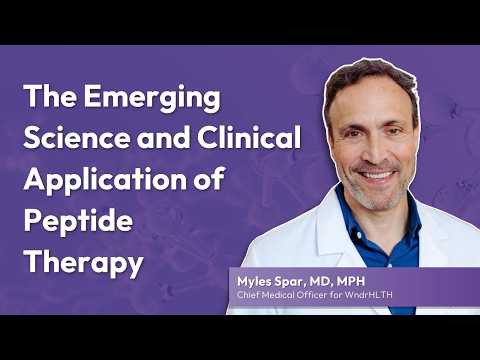
The clinicians and researchers this topic draws on, in their own words. Each film was verified before it was listed. The full collection lives in the video library.

This section is educational reference material about peptide biochemistry, drawn from the review literature and cited throughout. It is not medical advice, it is not tailored to anyone’s circumstances, and it makes no claim about any product sold on this site. It describes what a class of molecules is and how it behaves, never what any compound does for a person.