The most studied longevity intervention
Physical activity has the firmest footing of any longevity intervention yet studied. In large cohorts, higher cardiorespiratory fitness is associated with lower long-term mortality, with benefit continuing across the measured range. It acts on muscle, mitochondria, metabolism and the brain at once, which is part of why its effects are so broad.
Resistance training: muscle, strength and bone
Resistance training builds and preserves muscle mass and strength, and it is the primary countermeasure to the age-related loss of both (sarcopenia). Loading also stimulates bone, and meta-analytic evidence supports resistance training for maintaining bone mineral density in older adults — which matters because strength and bone together underpin independence and resistance to falls.
Cardiovascular training: heart, VO₂ max and endurance
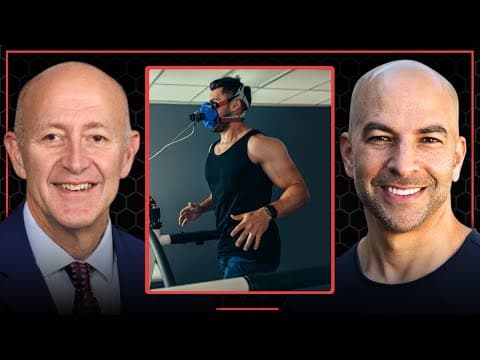
Cardiovascular training improves the heart’s output and the body’s capacity to deliver and use oxygen, captured as VO₂max. That measure is one of the strongest fitness-based predictors of longevity, and endurance training raises it partly by expanding and improving the muscle mitochondrial pool.
Mobility and movement quality
Mobility and movement quality — joint range, control and balance — are what let strength and fitness translate into real-world function. In older adults they are closely tied to fall prevention, and falls are a major cause of lost independence, which is why mobility work sits alongside strength and cardio rather than beneath them.
What is happening inside: adaptation
Training is a controlled stress that the body adapts to. Resistance work raises muscle protein synthesis to build contractile tissue; endurance work multiplies and improves mitochondria; and both trigger hormonal and signalling responses that consolidate the change over the following hours and days. The adaptation, not the session itself, is the benefit.